
Discovering attic water damage can be a stressful and overwhelming experience for any homeowner. Whether caused by a leaky roof, burst pipe, or poor ventilation, water damage in the attic can lead to serious structural issues, mold growth, and costly repairs if not addressed promptly. Knowing what to do after discovering attic water damage is crucial to minimizing the impact and protecting your property. At LMR Public Adjusters, South Florida’s premier public adjusters, we specialize in helping property owners navigate the insurance claims process with confidence. Our dedicated team works tirelessly to ensure you receive the maximum compensation for your water damage claim. From assessing the extent of the damage to documenting evidence and negotiating with insurance companies, we’re here to advocate for your best interests every step of the way. If you’re dealing with attic leaks, ceiling stains, or moisture problems, taking immediate action is key to preventing further damage and securing a fair settlement.
Identifying the source of attic water damage is a crucial first step in preventing further structural issues and costly repairs. Water intrusion can stem from various sources, and pinpointing the exact cause ensures that the right mitigation strategies are applied. According to the Insurance Information Institute, water damage is one of the most common and costly types of property damage, accounting for nearly 24% of all homeowners insurance claims.
Begin by inspecting your attic during daylight hours. Look for visible signs such as water stains, mold growth, or damp insulation. Common causes of attic water damage include:
"Ignoring the source of water damage can lead to mold growth within 24 to 48 hours," warns the Environmental Protection Agency (EPA).
If you’re unsure about the origin of the damage, consider hiring a professional to conduct a thorough inspection. For more guidance, visit our detailed section on water damage.
Understanding the source not only helps in immediate repairs but also strengthens your case when filing a claim. Learn more about how we assist with property claims and explore our about us page to see how our experts can support you.
For additional tips, check out this helpful guide from the National Association of Home Builders: https://www.nahb.org.
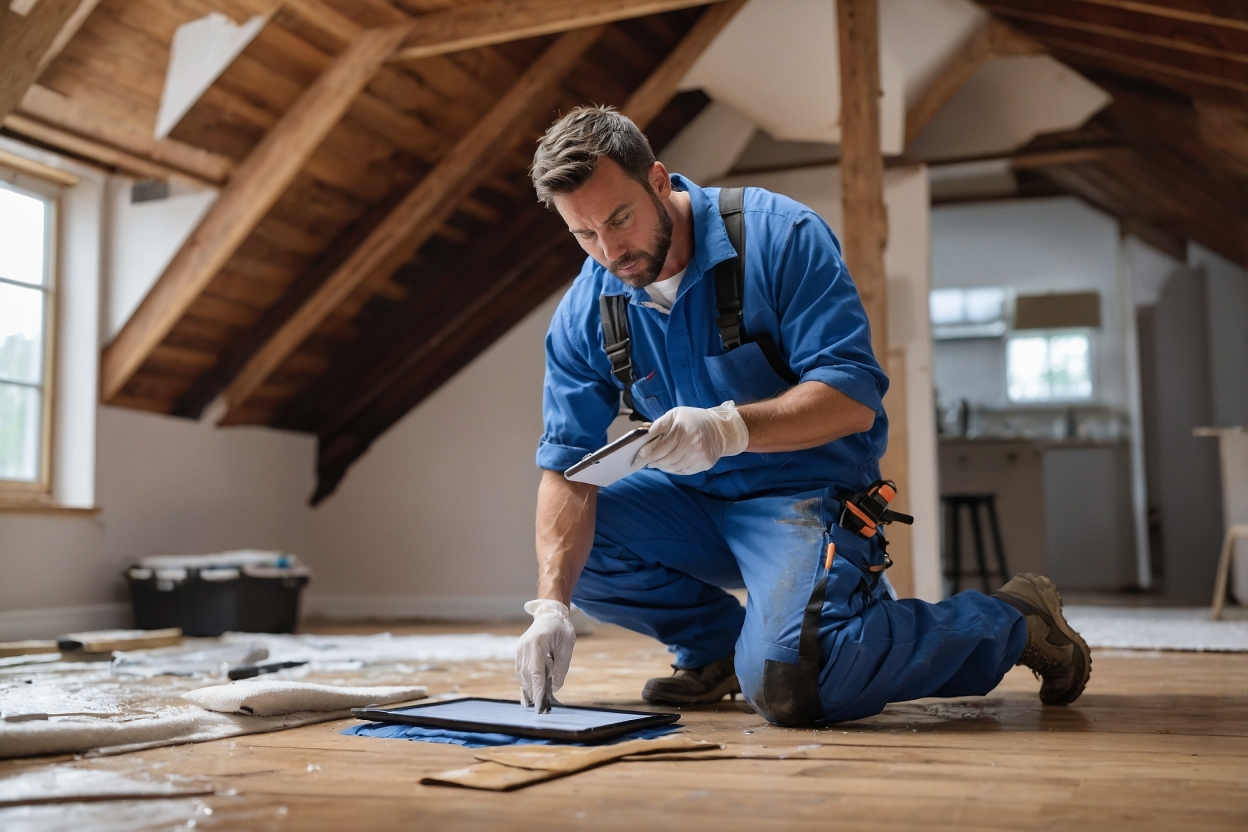
Once attic water damage is discovered, the next crucial step is to thoroughly evaluate how severe the issue is. Begin by inspecting the entire attic space, including insulation, wooden beams, drywall, and stored belongings. Look for visible signs such as discoloration, mold growth, sagging ceilings, or a musty odor. These indicators can help determine whether the damage is recent or has been developing over time.
Use a flashlight to check dark corners and hidden areas where water might have seeped in unnoticed. If the insulation feels damp or the wood appears warped or rotted, the damage may be extensive and require professional intervention. It’s also essential to trace the source of the water—whether it’s from a roof leak, burst pipe, or condensation buildup. Identifying the origin helps prevent future incidents and ensures a more effective repair process.
If you’re unsure about the extent of the damage or how to proceed, consider contacting a professional for a detailed assessment. At LMR Public Adjusters, our team has experience handling various types of property claims, including water damage in attics. Acting quickly can help minimize structural damage and reduce the risk of mold, which can lead to health issues and costly repairs. Don’t delay—prompt action is key to protecting your home and belongings.
Once attic water damage is discovered, one of the most critical steps is to remove all wet materials and begin drying the affected area immediately. Water-soaked insulation, drywall, and personal belongings can quickly become breeding grounds for mold and mildew, which can worsen the damage and pose health risks. Start by carefully removing any saturated items and placing them in a dry, well-ventilated area. Use fans, dehumidifiers, and open windows to increase airflow and speed up the drying process.
It’s essential to act quickly to prevent further structural damage and to protect your home’s integrity. If the water damage is extensive, consider seeking professional help to ensure all moisture is thoroughly removed. This is especially important in cases where hidden moisture may linger behind walls or under flooring. For more information on how to handle these situations, visit our detailed guide on water damage.
Additionally, understanding the source of the water intrusion—whether from a roof leak, burst pipe, or storm damage—is crucial for preventing future issues. If you’re unsure about the cause or how to proceed, our team of experts is here to help. Learn more about our services for property claims and how we can assist in restoring your home. For further insights, check out our helpful resources on the blog page.
After discovering water damage in your attic, one of the most critical steps is checking for mold and mildew growth. These fungi thrive in damp, dark environments and can begin developing within 24 to 48 hours of moisture exposure. Mold not only compromises the structural integrity of your home but also poses serious health risks, including respiratory issues and allergic reactions. Start by inspecting insulation, wooden beams, and drywall for discoloration, musty odors, or fuzzy patches—common signs of mold infestation.
If you detect any signs of mold, it’s essential to act quickly. Delaying remediation can lead to more extensive damage and higher repair costs. In many cases, professional assistance is necessary to ensure complete removal and to prevent recurrence. You can learn more about the risks and solutions by visiting our detailed section on mold damage.
Additionally, understanding your insurance coverage is crucial when dealing with mold-related claims. Our team specializes in helping homeowners navigate the complexities of property claims, ensuring you receive the compensation you deserve. If you’re unsure about your policy or need expert guidance, our experienced public adjusters are here to help.
Don’t overlook the importance of early detection and professional evaluation. Addressing mold promptly can save you time, money, and protect your family’s health in the long run.
Once attic water damage is discovered, one of the most critical steps is identifying and repairing the source of the leak. Water intrusion can stem from various issues such as damaged roofing, broken shingles, clogged gutters, or even faulty plumbing. Begin by inspecting the roof for visible signs of wear or damage, especially after a storm. If the leak is due to a plumbing issue, such as a burst pipe or condensation from HVAC systems, it’s essential to address it immediately to prevent further structural damage and mold growth.
Hiring a professional to assess the situation can ensure the root cause is properly diagnosed and repaired. Temporary fixes like tarps or sealants may help in the short term, but a permanent solution is necessary to avoid recurring problems. If you’re unsure where to start, consider reading our detailed resources on water damage and how it affects your property.
Additionally, understanding your insurance coverage is crucial. You may be eligible to file a claim for the damage. Visit our property claims page to learn how to navigate the process effectively. Acting quickly not only minimizes damage but also strengthens your case when dealing with insurance companies. Taking these steps ensures your home remains safe, dry, and structurally sound for the long term.
Once attic water damage has been identified and the source of the leak has been addressed, the next crucial step is restoring any compromised structures and insulation. Water can severely weaken wooden beams, drywall, and insulation materials, leading to long-term structural issues and increased energy costs if not properly repaired. Begin by removing all wet insulation and assessing the extent of the damage to the attic’s framework. Mold growth is a common consequence of prolonged moisture exposure, so it’s essential to inspect for any signs of contamination and address it promptly.
Replacing damaged insulation not only restores your home’s energy efficiency but also prevents future mold and mildew problems. Depending on the severity of the damage, you may need to consult professionals to ensure the attic is safely and thoroughly restored. This is especially important for homeowners dealing with extensive water intrusion or those filing property claims.
If your home or business has suffered from attic water damage, our team of experts is here to help. We specialize in assisting with insurance claims and ensuring you receive the compensation you deserve. Learn more about how we support both residential and commercial properties through the restoration process. Don’t wait until minor damage becomes a major issue—take action now to protect your investment and restore your attic to its original condition.
To avoid recurring attic water damage, it’s essential to take proactive steps that protect your home long-term. Start by inspecting your roof regularly for missing shingles, cracks, or signs of wear that could allow water to seep in. Ensure gutters and downspouts are clean and functioning properly to direct rainwater away from your home. Poor ventilation and insulation in the attic can also contribute to moisture buildup, so consider upgrading these systems to maintain a dry environment.
Installing a vapor barrier and using a dehumidifier can help control humidity levels, especially in humid climates. Additionally, check for plumbing lines that may run through the attic and inspect them for leaks or condensation. If you’ve experienced water damage before, it’s wise to consult professionals who can assess your property and recommend tailored solutions.
Understanding your insurance coverage is also crucial. If you’re unsure about your policy or how to file a claim, our team at LMR Public Adjusters can guide you through the process. We also provide support for both commercial properties and residential homes, ensuring you get the compensation you deserve.
Preventing future attic water damage not only protects your property but also saves you from costly repairs and potential health hazards like mold. Stay vigilant and take action early to safeguard your home.
In conclusion, discovering water damage in your attic can be alarming, but taking swift and informed action can prevent further issues and costly repairs. Start by identifying the source of the leak, addressing it promptly, and thoroughly drying out the affected area. Don’t forget to inspect insulation, structural components, and check for mold growth. Whether you choose to handle the repairs yourself or hire professionals, regular attic inspections and maintenance can go a long way in protecting your home from future water damage. By staying proactive, you can ensure your attic—and your entire home—remains safe, dry, and structurally sound.
Dania Beach, Broward County, Davie, Weston, Boca Raton, Cooper City, Coral Springs, Deerfield Beach, Fort Lauderdale, Hollywood, Parkland, Pembroke Pines, Pinecrest, Plantation, Pompano Beach, Sunrise, Fisher Island, Miramar, Delray Beach, Hallandale Beach , Lake Worth, Boynton